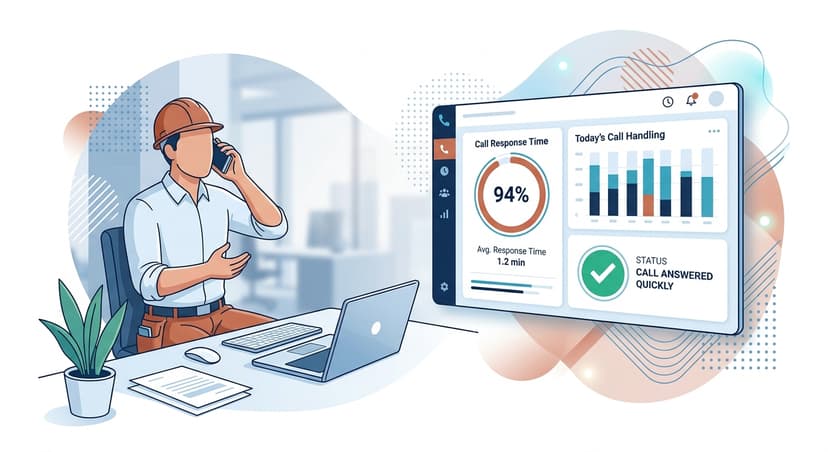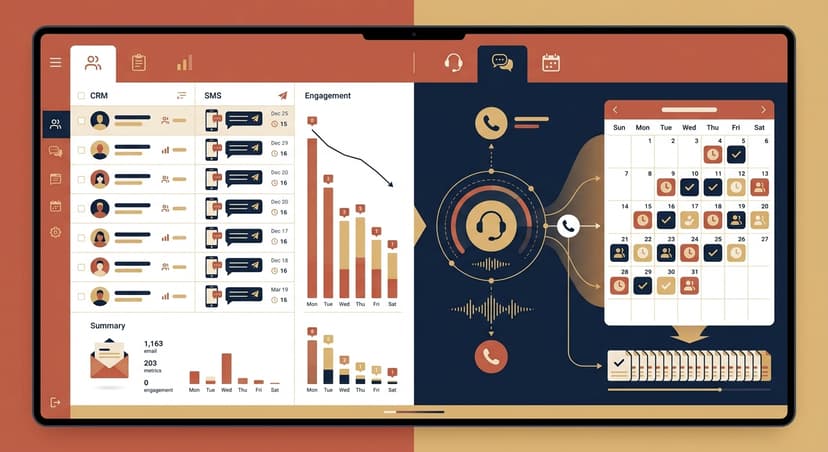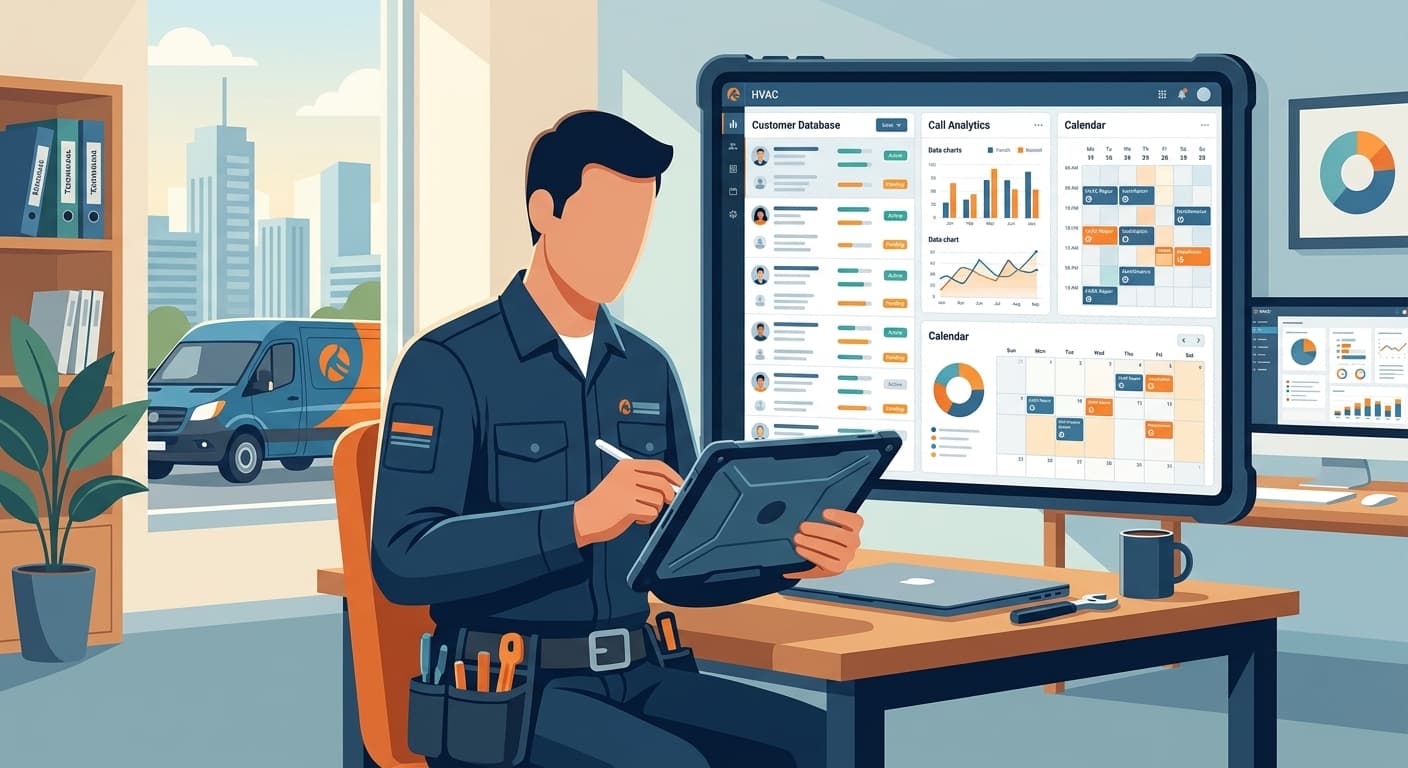
Database reactivation for HVAC contractors means calling past customers who haven't booked in 12+ months to offer maintenance tune-ups, seasonal checks, or system assessments before they call a competitor. Reactivation campaigns convert at 75-85% show rates versus 40-55% for cold-generated appointments. A typical HVAC contractor with 3+ years of customer records recovers $30,000-$80,000 per campaign — from names they already paid to acquire.
The average HVAC contractor spends $150-$400 per acquired customer in ads and referral fees. Most of those customers need service again within 12-18 months. HVAC equipment has built-in maintenance cycles — every AC unit needs a tune-up before summer, every furnace before winter. Yet most contractors are running Facebook ads to find strangers while a CRM full of warm contacts sits completely untouched.
Your HVAC database is a revenue account. A 200-name dormant list is worth $40,000+ in jobs — before you spend a dollar on new ads.
01Why HVAC Contractors Are Sitting on Hidden Revenue
HVAC equipment doesn't last forever, and maintenance can't be skipped. Central air conditioners need service every 12-18 months. Heat pumps last 10-15 years. Furnaces last 15-30. Every unit in your customer database is aging — and every customer in that database is either already overdue for service or will be within months.
The math is straightforward. If you serviced 500 customers over the last 3 years, a conservative estimate suggests at least 200 haven't called back. Of those 200, a realistic 60-70% are still in your service area with equipment that needs attention. That's 120-140 warm prospects who already trust your company — sitting in a spreadsheet doing nothing.
Industry data from LeadWYRE benchmarks shows HVAC database contacts under 36 months old have the highest response rates of any outreach category. These aren't cold leads. They've met your techs, seen your work, and paid your invoices. Reactivation is simply reminding them you exist before their system fails and they Google someone new.
A customer who hasn't called in 18 months doesn't need more ads — they need a phone call.
02How to Segment Your HVAC Database for Maximum Response
Not all dormant contacts are equal. Calling a customer who had a $150 filter change the same way you call someone whose 10-year-old AC unit is heading into its 11th summer wastes both your time and theirs. Segment first, then script each segment differently.
| Segment | Last Contact | Avg Ticket | Priority | Best Angle |
|---|---|---|---|---|
| Maintenance-due | 12-18 months | $150-250 | High | Pre-season tune-up |
| Repair follow-up | 6-24 months | $200-800 | High | "How's it running?" |
| Replacement-window | 24-36 months | $4,000-12,000 | Critical | Free assessment |
| Lapsed customers | 36+ months | $150-500 | Medium | Win-back offer |
The replacement-window segment is where the real money sits. An HVAC system that was 7-8 years old when you last serviced it is now 9-11 years old. That's peak replacement territory. A free system assessment call isn't a sales pitch — it's a service call that often turns into a $6,000-$12,000 system sale.
Start every reactivation campaign with your replacement-window and maintenance-due segments. The lapsed (36+ months) group takes more touches and lower expectations — include them in the campaign but don't let them crowd out the high-priority contacts.
03The 5-Step HVAC Reactivation Campaign Workflow
Running a reactivation campaign without a structured workflow produces chaos: callbacks you can't handle, dispatchers overwhelmed, and jobs falling through. Here's the process that actually works.
Step 1: Pull and clean the list. Export all customers inactive for 12+ months from your CRM (ServiceTitan, Housecall Pro, Jobber). Remove duplicates, check for disconnected numbers, and flag any customers who explicitly asked not to be contacted.
Step 2: Segment by last contact date and job type. Apply the four-segment framework above. Flag the replacement-window contacts in red — those get a custom script and priority routing.
Step 3: Configure your AI voice agent with HVAC-specific call flows. Your outbound agent needs to know your service area, what tune-up pricing looks like this season, and how to handle objections like "we already have a guy" or "we're thinking about replacing it." With RevSquared, you type these instructions in plain English — no prompt engineering required.
Step 4: Run calls in daily batches of 50-100, not all at once. Flooding 500 contacts simultaneously produces 150 callbacks in one day. Your dispatcher will miss half of them. Batch the calls so response volume stays manageable — typically 3-5 days across a 500-name list.
Step 5: Route warm responses immediately. The moment a contact says yes to a tune-up or assessment, they need a callback or live transfer within 15 minutes. Show rates drop sharply when the gap between "yes" and confirmation widens. Configure your agent to book directly to your dispatch calendar or trigger an immediate live-transfer when intent is confirmed.
Run 50-100 calls per day, not 500 all at once. Flooding your calendar with unqualified callbacks creates chaos — batching lets your dispatcher handle every real response properly.
04HVAC Reactivation Scripts That Actually Book Jobs
The biggest gap in every piece of competitor content on this topic: nobody publishes the actual scripts. Here are three that work across the main HVAC reactivation segments.
Script 1 — Maintenance Reminder (12-18 months inactive)
*"Hi, this is [Agent Name] calling from [Company]. I'm reaching out because it's been about a year since we last serviced your system and [season] is coming up fast. We're scheduling tune-ups in your area this week — would you like me to get you on the calendar? It usually takes about an hour and we can catch any issues before they become expensive."*
This script works because it's specific (referencing the last service gap), timely (seasonal urgency), and asks for one decision (get on the calendar, not "are you interested in hearing more").
Script 2 — Replacement-Window Assessment (system age 8+ years)
*"Hi, this is [Agent Name] from [Company]. We serviced your HVAC system a couple of years back and wanted to reach out — systems that are [8-10] years old are right in the window where a free efficiency assessment can save homeowners real money. We've found customers running 25-30% less efficiently than they should be, often without knowing it. Can I schedule a complimentary check?"*
Position this as a money-saving check, not a sales call. The word "complimentary" matters — it removes price friction at the front end.
Script 3 — Emergency Repair Follow-Up (past repair within 24 months)
*"Hi, this is [Agent Name] from [Company]. You called us about [12-18] months ago for a [repair type], and I wanted to follow up and make sure everything is still running well. Sometimes customers have follow-up questions or notice something new after a repair. Is there anything I can help with, or would you like to schedule a quick inspection so we can make sure everything held up through [the summer/the winter]?"*
This is the lowest-friction script in the set. The customer already trusts you — you're just checking in. Many of these calls convert to a preventive tune-up on the spot.

The campaign that books 23 jobs in a week is never 23 clever lines of copy. It's a 4-sentence script delivered to the right segment at the right time.
05Seasonal Timing: When to Run HVAC Reactivation Campaigns
HVAC demand is seasonal. Your reactivation calendar should match the peaks so you're calling people right before they're about to need you — not after they've already called your competitor.
| Season | Window | Message Angle | Priority Segment |
|---|---|---|---|
| Pre-Summer | March-April | AC tune-up before peak heat | Maintenance-due |
| Late Summer | August | Post-peak repair follow-ups | Repair follow-up |
| Pre-Winter | September-October | Furnace inspection + replacement | Maintenance-due + replacement-window |
| Post-Holiday | January-February | Quiet season, best replacement deals | Replacement-window |
Pre-summer (March-April) is the highest-value window for most HVAC contractors. Customers are anxious about their AC ahead of summer — call them before the anxiety turns into an emergency Google search. Pre-winter (September-October) runs a close second, with the added advantage that replacement customers often close faster because nobody wants a furnace failure in November.
January-February is counterintuitively strong for replacement-window contacts. HVAC is slow, your techs aren't booked out, and you can offer faster install times than any competitor. Customers who've been putting off a system replacement often pull the trigger in the slow season when the deal is right and wait times are short.
06What to Do With Unanswered Calls
70% of outbound reactivation calls go unanswered on the first attempt. This is where most HVAC contractors abandon the campaign — and where the opportunity actually sits.
The contacts who don't answer the first time aren't saying no. They're busy. Research on sales follow-up shows it takes 5-8 touchpoints to reach a decision-maker, but most outreach stops after 1-2 attempts. HVAC reactivation is no different.
A three-attempt sequence across different times of day converts significantly better than a single call:
Attempt 1 — Day 1, 10:00 AM: First call with full reactivation script. Leave a voicemail if not answered.
Attempt 2 — Day 3, 2:00 PM: Second call, slightly different angle. Reference the voicemail if they didn't respond.
Attempt 3 — Day 5, 5:30 PM: Evening call. Many homeowners are more reachable after work.
After three unanswered calls, a brief SMS follow-up referencing the calls often gets a response from contacts who weren't near their phone. Manual follow-up at this stage is unrealistic at any scale — this is exactly what AI outbound handles automatically.
70% of reactivation calls go unanswered the first time. The job goes to whoever keeps calling — not whoever called first.
07The Revenue Math: What an HVAC Reactivation Campaign Is Actually Worth
Here's the model for a 500-contact database reactivation campaign — conservative numbers, real industry averages.
| Metric | Number |
|---|---|
| Dormant contacts contacted | 500 |
| Contacts reached (75% answer/callback rate) | 375 |
| Appointments booked (30% of reached) | 112 |
| Jobs completed (75% show rate) | 84 |
| Maintenance jobs (90%) × $350 avg ticket | $26,460 |
| Replacement jobs (10%) × $7,000 avg ticket | $58,800 |
| Total campaign revenue | $85,260 |
That's from 500 names you already own. The cost is your time to segment the list plus the AI calling cost — typically $200-$400 for a 500-contact outbound campaign on RevSquared's per-minute model. The net margin on a reactivation campaign is the best in HVAC marketing.
For a more detailed breakdown by your specific numbers, use our database reactivation ROI calculator — plug in your list size, average ticket, and show rate to see what your dormant database is worth.
500 dormant HVAC contacts, worked correctly, should produce $50,000-$85,000 in booked revenue. That math doesn't work on cold traffic.
08How AI Voice Agents Handle HVAC Reactivation at Scale
Manual outreach at scale doesn't work. An HVAC coordinator making 50 reactivation calls per day spends 4-6 hours on the phone — mostly leaving voicemails and getting hung up on. That same coordinator could be handling actual customer service, dispatch, and close-ready callbacks while an AI agent handles the outbound volume.
RevSquared AI handles HVAC reactivation differently than any other platform because the agent gets better on its own. After running 200 calls, the AI Sales Manager has analyzed every conversation — what objections converted, what scripts fell flat, what time of day hit more live answers — and adjusts automatically. You don't manage call scripts. You manage results.
Plain-English configuration means HVAC business owners can tune the campaign without any technical setup. Type "stop offering tune-ups on systems older than 15 years — offer the free replacement assessment instead" and it's live on the next call. No developer, no ticket, no waiting.
Metro HVAC ran a RevSquared reactivation campaign across 600 dormant contacts and saw a 35% revenue increase in 3 months. The campaign ran automatically, routed hot leads directly to their dispatcher, and booked appointments into Google Calendar — while their team focused on the jobs, not the phones.
The setup takes under 5 minutes: connect your Google Calendar, paste your top reactivation script, and set your daily call volume. Start your free 7-day trial at platform.revsquared.ai and run your first reactivation batch before the week is out.
For a full comparison of AI answering and outbound platforms for home service contractors, see our best AI answering service guide for small business. If you want to see what a complete AI receptionist setup looks like for HVAC, visit our HVAC industry page or read how we handle HVAC inbound calls.
09Frequently Asked Questions
How many contacts do I need to run a successful HVAC reactivation campaign?
A minimum viable list is 50-100 contacts. Below that, the volume isn't large enough to generate meaningful appointment flow. Most HVAC contractors running campaigns with 200+ contacts see measurable revenue within the first two weeks. The sweet spot is 300-800 — large enough to batch efficiently, small enough that your team can handle the response volume without hiring additional staff.
What's the best time of year to run a database reactivation campaign for an HVAC company?
March-April (pre-summer AC tune-ups) and September-October (pre-winter furnace inspections) consistently produce the highest conversion rates. These windows align with seasonal anxiety — customers are thinking about their systems before the weather forces the issue. Running a campaign in July or December, when demand is already at peak and your schedule is full, wastes contacts you could convert during a slower window.
Should I call HVAC customers on weekends?
Yes, with caveats. Saturday between 10 AM and 2 PM is the highest live-answer window for homeowners — they're home, not at work. Sunday is weaker. Avoid early mornings and evenings on weekends. Most AI outbound platforms let you configure calling windows by day and time — set Saturday hours specifically and you'll reach 15-20% more live contacts than weekday-only campaigns.
Can I run a reactivation campaign without a CRM?
You need a contact list with at minimum: name, phone number, and last service date. If you've been running on spreadsheets, export what you have. Filter to contacts with a last service date 12+ months ago and a valid phone number — that's your starting list. A CRM makes segmentation faster and follow-up tracking easier, but it isn't a prerequisite for a first campaign.
Is AI outbound calling legal for HVAC contractors calling past customers?
Yes. Past customers who provided their phone number in the course of doing business with you are generally permissible to contact under the TCPA's established business relationship (EBR) exception. This covers calls to customers who purchased a service within the past 18 months. For contacts older than 18 months, the rules are more nuanced — consult your state's specific regulations or restrict automated outbound to contacts within the 18-month window to stay clearly within safe harbor. Nothing in this post is legal advice.
The 2026 Google LSA Playbook
Dominate your local competition, rank #1 on Google Local Services Ads, and turn Google into your top salesperson. Built for HVAC companies.
Get It Free
Try RevSquared free for 7 days.
Set up your agent in under 5 minutes. Live on your existing number. No contract.